Why Your Plants Are Dying — Common Gardening Mistakes by Beginners
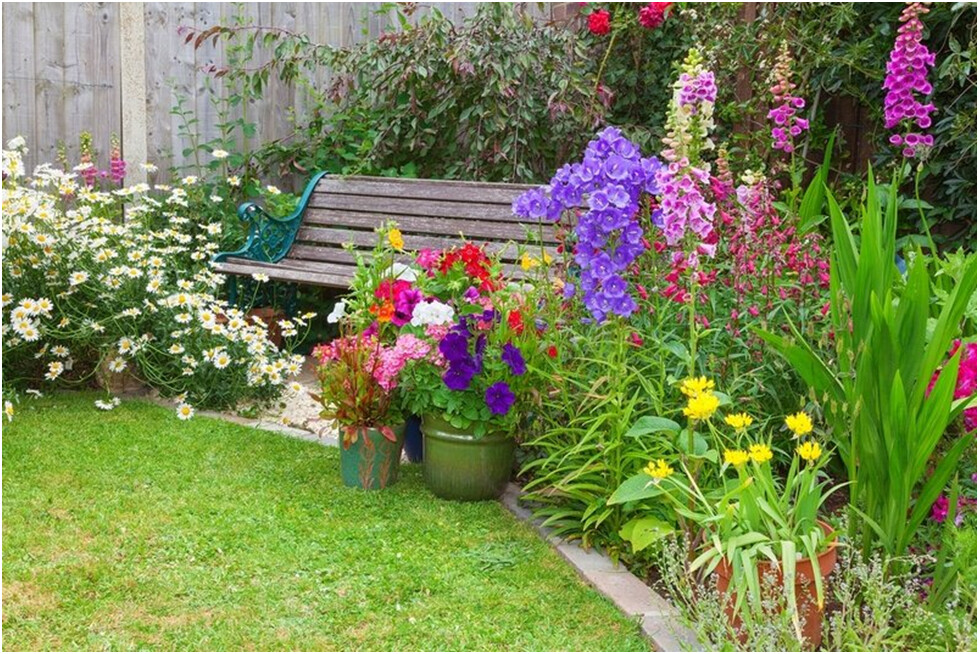
Gardening can be deeply rewarding, but for many beginners, the excitement of planting quickly turns into disappointment when plants start wilting, yellowing, or dying. The good news? Most plant problems are caused by a few common mistakes — and they can be fixed easily. Let’s uncover them.
Overwatering — Drowning Your Plants
It’s natural to think more water means healthier plants, but overwatering is one of the fastest ways to kill them. Roots need oxygen as much as they need moisture, and constantly soggy soil can suffocate them and lead to root rot.
TIP: Always check the soil before watering. If the top 2–3 cm feels dry, it’s time to water. For potted plants, make sure the pots have proper drainage holes.
Wrong Placement — The Sunlight Trap
Plants have their own sunlight needs. Some thrive in full sun, while others prefer partial shade. Putting a shade-loving plant in direct sunlight will scorch its leaves, while a sun-loving plant in shade will grow weak and leggy.
TIP: Read the plant’s care label or research its sunlight requirements. Group plants according to their light needs — sunny spots for vegetables like tomatoes, and shady corners for ferns.
Poor Soil — The Silent Plant Killer
Even with perfect watering and sunlight, plants can struggle if the soil is low in nutrients or poorly aerated. Heavy clay can suffocate roots, while sandy soil may drain water too quickly.
TIP:** Enrich your soil with compost, coco peat, and organic matter. This improves both drainage and nutrient content. For container gardening, use a good-quality potting mix instead of plain garden soil.
Neglecting Pests and Diseases
Tiny invaders like aphids, mealybugs, or fungal infections can quietly damage plants until it’s too late. Many beginners fail to spot the signs early.
TIP: Inspect plants regularly — especially under leaves. Use organic pest control like neem oil sprays, and remove infected leaves promptly to prevent spread.
Planting the Wrong Season
Each plant has its own preferred growing season. Planting out-of-season means the climate won’t match its needs, leading to weak growth or no blooms.
TIP: Follow a seasonal planting guide for your region. In India, for example, spinach and radish grow best in winter, while okra and cucumbers thrive in summer.