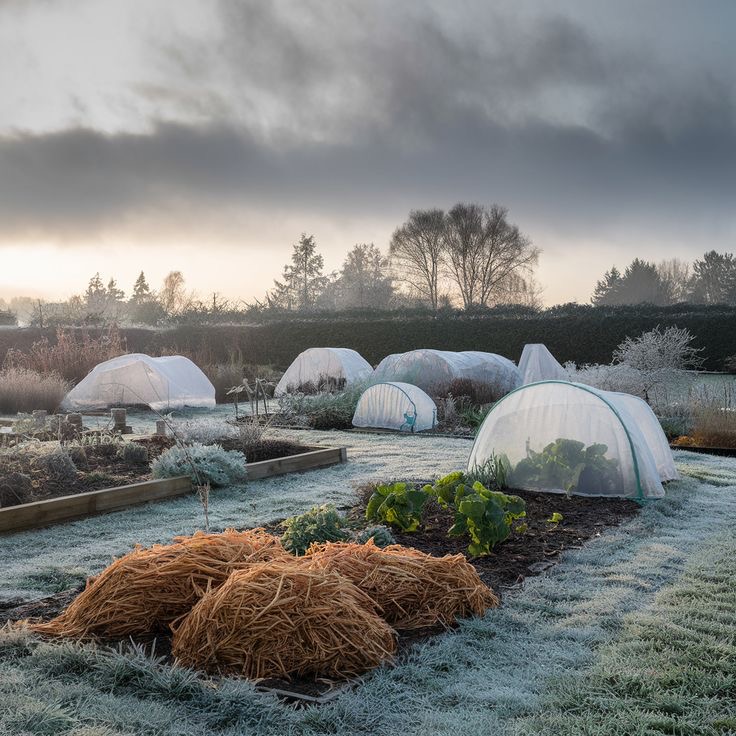
During harsh winters and extremely low temperatures, gardens face stress that can weaken plants and damage roots. Cold winds, frost, and frozen soil can slow growth and affect plant health. Proper mulching along with mindful winter care plays a key role in keeping your garden safe through chilly conditions.
- Importance of Mulching in Cold Weather
Mulching helps create a protective layer over the soil, shielding roots from freezing temperatures and sudden weather changes. It also helps the soil retain moisture and stay stable during long cold spells.
- Key advantages of winter mulching:
• Protects roots from frost damage
• Maintains consistent soil temperature
• Reduces moisture loss
• Improves soil quality over time
- Suitable Mulch Options for Winter
Selecting the right mulch makes a big difference during cold months. Natural materials provide better insulation and nourishment.
• Straw or dried leaves: Light, effective insulation
• Bark or wood chips: Ideal for shrubs and perennial plants
• Compost: Protects soil while adding nutrients
• Pine needles: Useful for plants that prefer acidic soil
Spread mulch evenly in a 2–4 inch layer, ensuring it does not touch the base of plant stems.
- Essential Winter Garden Care Tips
To maximize protection during extreme cold, combine mulching with these simple practices:
• Water plants during the day to prevent freezing at night
• Cover delicate plants on frosty evenings
• Avoid pruning, as it can expose plants to cold injury
• Move potted plants to sheltered areas
• Limit fertilizer use during winter dormancy
- Protecting Your Garden Through Winter
Cold-season garden care focuses on protection rather than growth. Insulating the soil, conserving moisture, and guarding plants against freezing temperatures helps them survive winter stress and recover quickly when warmer weather returns.
Thoughtful winter care ensures a healthier, more vibrant garden when spring arrives 
