Monsoon Magic: Store Every Drop, Grow Every Plant
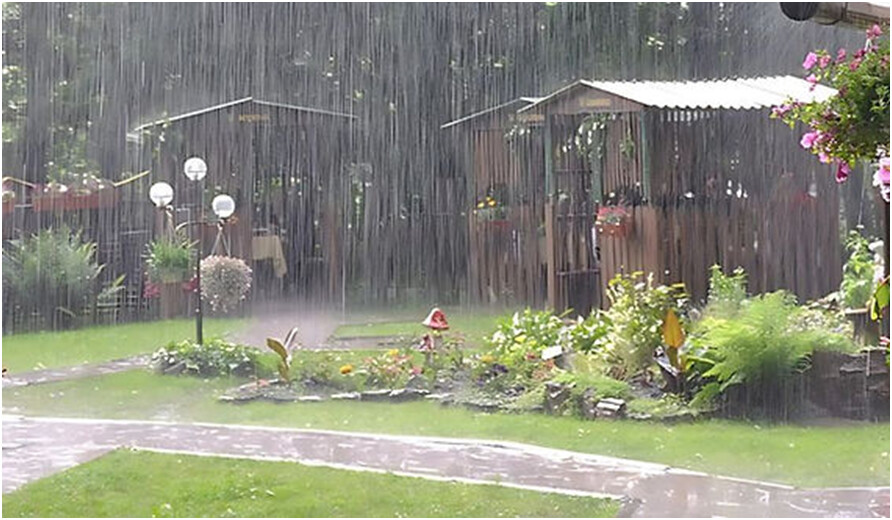
What if we told you most of the rain you see never gets used — and simply drains away?
In 2019, Chennai made global headlines when the city’s main reservoirs dried up completely—millions were left without water for drinking, cooking, or even basic hygiene. It wasn’t an isolated case. Across India, cities like Bengaluru, Delhi, and Hyderabad are heading towards a similar crisis. According to NITI Aayog, 21 major Indian cities could run out of groundwater by 2030, affecting over 100 million people. In states like Rajasthan and Maharashtra, farmers face crop failure year after year due to delayed or weak monsoons. Gardens wither, agriculture suffers, and daily life becomes a struggle. Yet, every year, we watch precious rainwater disappear into drains. This monsoon, it’s time to change that. By harvesting rainwater—through simple setups like rooftop collection, barrels, or recharge pits—we can store nature’s gift and use it to keep our gardens green, our soil alive, and our future secure. The water is falling. The question is—are we catching it?
Why Gardeners Must Act This Monsoon
- Rainwater is soft and free of chemicals – perfect for plants.
- It’s free and abundant for a few weeks – so why waste it?
- It reduces pressure on municipal water supply.
Let’s explore the most effective and easy-to-adopt methods of water harvesting, especially during the monsoon season.
1. Rooftop Rainwater Harvesting
This is the most popular and easiest method for homes. Rainwater falling on your rooftop is collected through pipes and directed into a storage tank or underground sump. A simple filter (mesh or sand) is used to remove debris and dust. This stored water can be used for watering gardens, cleaning, or even recharge groundwater through soak pits.
2. Rain Barrels and Drums
Ideal for small gardens and balconies! Attach a rain barrel directly to your home’s downspout or roof drainage pipe. Barrels with taps or overflow systems make it easy to use this water for plants and lawn care. It’s budget-friendly and highly effective for households.
3. Recharge Pits and Soak Wells
For those with open spaces or gardens, a recharge pit is a great way to allow rainwater to seep back into the earth. It’s a shallow pit filled with gravel, sand, and stones that helps filter water naturally and refills groundwater levels. It prevents surface runoff and erosion too.
4. Percolation Ponds and Trenches
Used in larger community gardens, farms, or parks, these are shallow ponds or trenches dug in a way that slows down rainwater and allows it to percolate into the ground. These are especially useful in drought-prone areas and help increase the water table.
5. Modular Rainwater Harvesting Systems
For urban homes and societies, pre-designed modular systems are available that include filters, storage tanks, and overflow control units. These require minimal maintenance and are great for long-term usage.
