Hey everyone! 
We all have that one spot at home—a dead corner on the balcony, an overgrown strip along the fence, or a sunny porch ledge—that isn’t doing much.
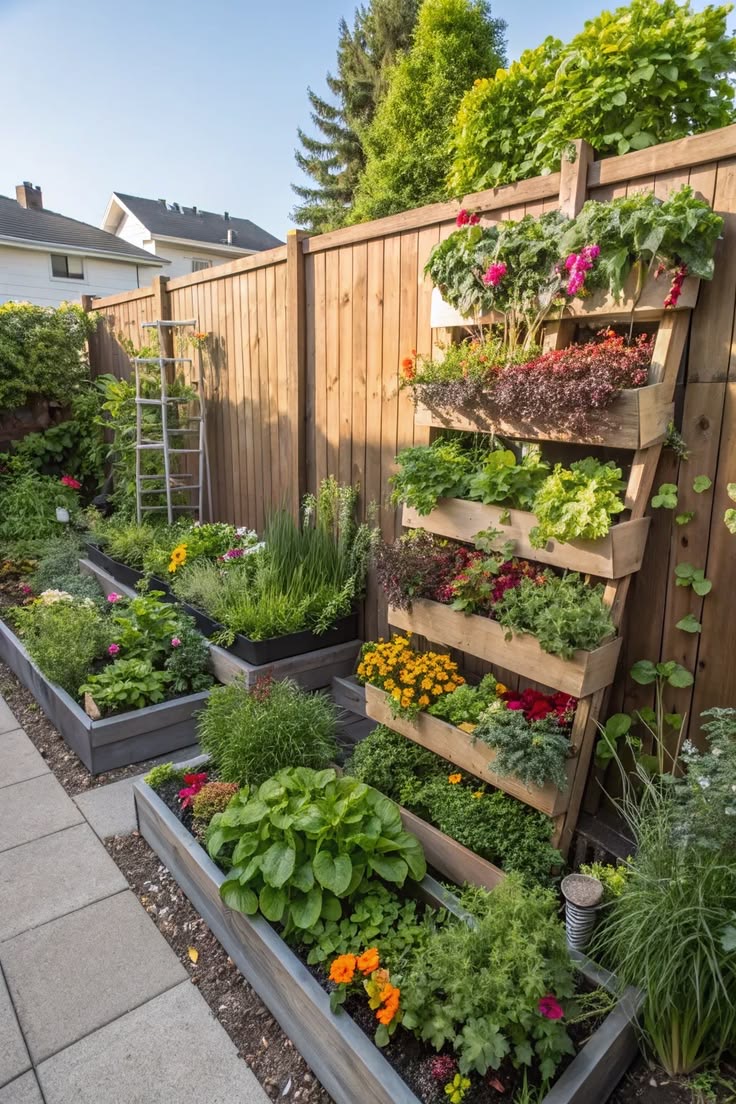
Instead of letting it go to waste, why not flip it into a high-yield DIY Kitchen Garden?
Growing your own produce doesn’t require acres of land or expensive gear. With a smart layout and a few reclaimed materials, you can turn almost any nook into a fresh food station. Here is a step-by-step breakdown to help you organize the space and get growing.
 1. Zone Your Space Around Sunlight
Great gardens come down to placement. Spend a day tracking where the sunlight falls before laying down your setup:
• Full-Sun Zones (6+ Hours): Perfect for fruiting crops like tomatoes, peppers, and squash that crave direct light.
• Partial-Sun Zones (3 to 4 Hours): Ideal for leafy greens (lettuce, spinach, arugula) and hardy herbs that prefer cooler conditions.
• Layout & Access: Keep paths wide enough to walk and water comfortably. Lay down simple gravel, pavers, or wood chips to keep the walking area clean and defined.
 2. Upcycled Planters & Space-Saving Hacks
Save your cash for seeds and soil by repurposing everyday items into functional planters:
• Vertical Shipping Pallets: Sand down a free wooden pallet, line the interior with weed barrier fabric, and mount it vertically against a wall. It creates a multi-tiered herb rack with zero floor footprint.
• 5-Gallon Bucket Planters: Heavy-duty storage totes or hardware store buckets are great for deep growers like potatoes, carrots, and tomatoes. (Just remember to drill plenty of drainage holes in the base!)
• Mounted Mason Jars: Clamp glass jars to a rustic wooden board near a sunny kitchen window for easy-access basil, mint, and cilantro.
 3. Smart Soil Setup (Without Buying Dozens of Bags)
Skip buying endless bags of soil by building your own nutrient-rich base:
• The Layering Method: Fill deep beds or large bins by layering cardboard, dry leaves, and green kitchen scraps beneath your topsoil. As it breaks down, it creates a rich, moisture-retaining layer.
• Scrap Composting: Collect coffee grounds, crushed eggshells, and fruit peels in a countertop bin to mix into your plant beds as free fertilizer.
 4. Simple Low-Maintenance Irrigation
Avoid daily hand-watering with a quick self-watering setup:
• Sub-Surface Bottle Irrigators: Drill tiny holes into a 2-liter plastic bottle, bury it up to its neck next to your heavy-water plants, and fill it up. Moisture will slowly seep directly into the root system over several days.
 Let’s Swap Ideas!
Have you turned a corner of your home into a garden spot recently? Drop your favorite space-saving hack or a quick photo of your setup in the replies! What are you planning to plant first? 